

Why August Is the Best Time to Replace Your Pool Safety Cover
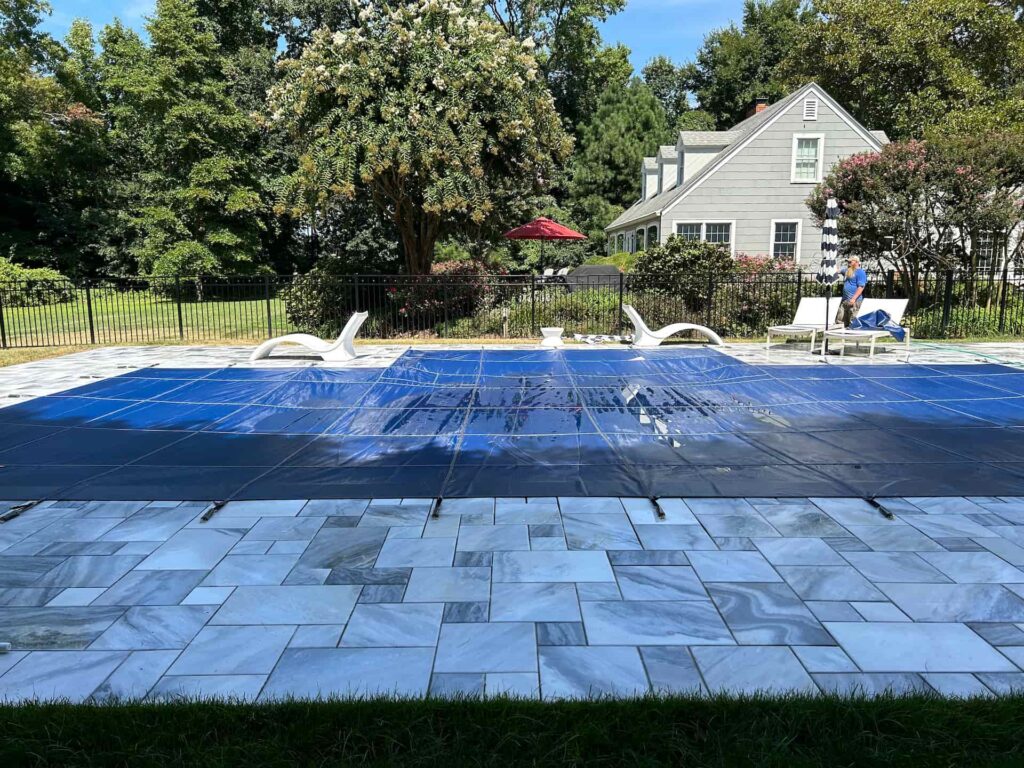
Summer may still be in full swing, but if you’re already thinking ahead to pool closing season, now is the perfect time to consider a pool safety cover replacement. Many homeowners across Maryland and Delaware wait until it’s time to close their pool before realizing their safety cover has reached the end of its lifespan. By then, manufacturing lead times are longer, installation schedules are filling up, and colder weather is just around the corner. Our region’s mix of humidity, freeze-thaw cycles, and seasonal storms puts extra strain on safety covers over time — which is exactly why replacing yours in August, before the fall rush, gives you time to make an informed decision and head into winter knowing your pool is properly protected. Why Your Safety Cover Matters A pool safety cover is one of the hardest-working features of your backyard. While your pool is enjoyed throughout the summer, your safety cover protects it during the months when it’s not in use. A properly fitted safety cover helps: Like any outdoor product, however, safety covers don’t last forever. How Long Does a Pool Safety Cover Last Before Needing Replacement? Most high-quality safety covers provide many years of dependable service when properly maintained. However, several factors affect their lifespan, including: Even if your cover doesn’t have visible holes or tears, years of wear can reduce its performance. In the Mid-Atlantic, most professionally installed safety covers last approximately 10 to 15 years, depending on the cover material, weather exposure, surrounding landscape, and how well it’s maintained. Signs Your Pool Safety Cover May Need Replacing Not sure if your cover is still ready for another winter? Here are a few signs it may be time for a replacement. Fading or Discoloration Sun exposure naturally breaks down the materials over time. If your cover appears faded or significantly lighter than when it was new, it may be nearing the end of its service life. Loose or Sagging Fit A safety cover should remain evenly tensioned across the pool. If it appears loose or sags noticeably, it may no longer be performing as intended. Worn Straps, Springs, or Hardware Take a close look at the straps, springs, buckles, and anchors. Rust, stretched springs, frayed straps, or damaged hardware can all impact safety and performance. Damaged Stitching Inspect the seams around the perimeter. Loose or deteriorating stitching is often an early sign that the cover is aging. Missing or Damaged Anchors Anchors play an important role in maintaining proper tension. Missing or damaged anchors should be repaired or replaced before winter. Not sure which of these apply to your cover? Our team has measured and replaced many pool safety covers throughout Maryland and Delaware and we’d be happy to guide you through any questions about your pool safety cover — even if we didn’t originally install it. Why August Is the Ideal Time Many homeowners assume they can wait until October to think about replacing their cover. In reality, August is one of the best times to start planning. By replacing your cover before the busy fall season, you’ll benefit from: More Scheduling Flexibility Installation calendars become much busier as pool closing season approaches. Time for Custom Manufacturing Most safety covers are custom measured and manufactured specifically for your pool. Less Stress You’ll avoid last-minute decisions and know everything is ready before colder weather arrives. Should You Repair or Replace Your Cover? Some issues can be repaired, while others indicate it’s time for a replacement. Our team can inspect your existing safety cover and evaluate: If your cover still has life left, we’ll let you know. If replacement is the safer option, we’ll provide recommendations tailored to your pool. Our goal is to help you make the right decision — not simply sell you a new cover. Professional Measurement Makes the Difference Unlike standard winter covers, safety covers are custom fit to your specific pool shape and features. At Coastal Pools, our team professionally measures your pool, orders the correct cover, and installs it to ensure a secure, proper fit for years of reliable protection. Protect Your Pool Before Winter Arrives If your safety cover has been protecting your pool for many seasons, now is the perfect time to have it inspected before pool closing season begins. Whether your cover simply needs a professional evaluation or it’s time for a replacement, our team is here to help. Contact Coastal Pools today to speak to our team and prepare your pool for another safe winter season. FAQ How often should a pool safety cover be replaced? While every cover is different, many safety covers eventually require replacement due to years of weather exposure, UV damage, and normal wear. A professional inspection can help determine whether yours is still performing safely. Can a faded safety cover still be safe? Not necessarily. Fading alone doesn’t mean a cover has failed, but it is often an indicator of prolonged UV exposure. Other factors such as tension, stitching, straps, and hardware should also be evaluated. When should I replace my pool safety cover? Late summer — especially August — is one of the best times to begin the process. It allows time for custom measurements, manufacturing, and installation before pool closing season becomes busy. Can Coastal Pools replace a safety cover on a pool you didn’t build? Absolutely. We replace and install safety covers on many existing pools throughout Maryland and Delaware, regardless of who originally built the pool. While every cover is different, many safety covers eventually require replacement due to years of weather exposure, UV damage, and normal wear. A professional inspection can help determine whether yours is still performing safely. Not necessarily. Fading alone doesn’t mean a cover has failed, but it is often an indicator of prolonged UV exposure. Other factors such as tension, stitching, straps, and hardware should also be evaluated. Late summer — especially August — is one of the best times to begin the process. It
How to Clean a Pool: A Guide to Swimming Pool Maintenance
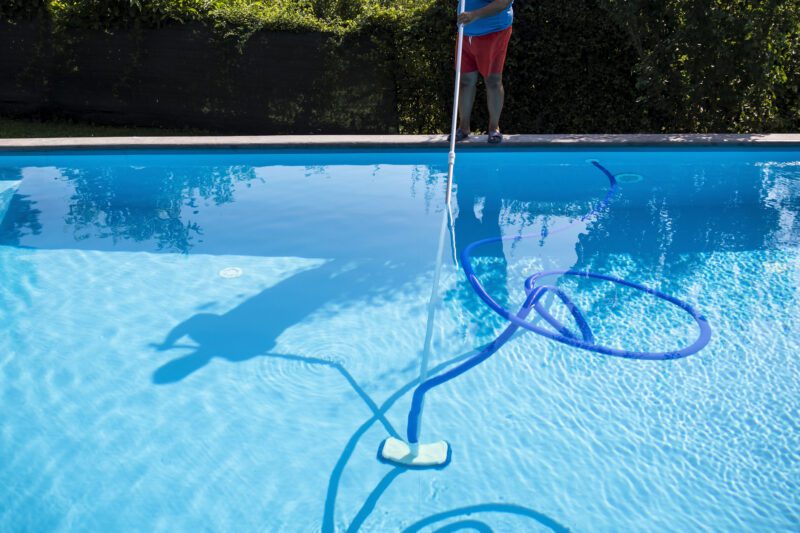
To clean a pool, you should: These steps form the foundation of a clean, healthy pool. Knowing when and how to clean a pool can make a big difference, especially if you want to avoid costly problems down the road. Below, we will break each step down with practical tips and insights to help you maintain clarity, safety, and sparkle all season long. Pool Cleaning Steps: A Detailed Plan Keeping your pool clean doesn’t have to be an overwhelming chore. Whether you’re looking for DIY tips or a professional pool cleaning service, here are the detailed steps of how to clean a pool effectively. 1. Skim the Surface Use a pool skimmer net to remove debris like leaves, insects, and other floating particles that accumulate on the water’s surface. This daily habit prevents buildup and keeps your pool inviting. 2. Brush the Walls and Steps Algae and bacteria love to hide on pool walls, stairs, and corners. Use a stiff-bristled pool brush at least once a week to scrub away invisible grime and keep surfaces smooth and sanitary. 3. Vacuum the Pool Floor Dirt and sediment settle at the bottom of the pool. Pool vacuums are designed to remove what has settled at the bottom without draining the pool. Vacuuming weekly—with a manual or automatic vacuum—helps preserve water clarity and reduces strain on your filter. 4. Clean the Filter The filter is your pool’s first line of defense. Follow the manufacturer’s instructions to rinse, clean, or backwash your filter every 4–6 weeks. A dirty filter can lead to cloudy water and circulation issues. 5. Test and Balance Pool Chemicals Healthy water starts with proper water chemistry. Use test strips or digital water testers to monitor: Adjust as needed using chlorine, pH increasers or reducers, alkalinity balancers, and shock treatments. You can also look into the possibility of using bromine instead of chlorine as your sanitizer. What Do You Need to Clean a Pool? A successful pool cleaning routine requires the right tools and products. Here’s a basic list: These tools will help you handle routine maintenance and address most minor issues before they become major repairs. Common Pool Cleaning Issues and How to Solve Them Even with a good routine, problems can pop up. Here’s how to tackle some of the most common pool care challenges: Algae Growth Green, yellow, or black algae can appear on walls and surfaces, especially if chlorine levels drop. Treat immediately with an algaecide and a chlorine shock treatment, then brush thoroughly. Cloudy Water This is often a sign of poor filtration, imbalanced chemicals, or high bather load. Check and clean the filter, shock the water, and retest pH and chlorine levels. Equipment Malfunctions Reduced water flow, strange noises, or cloudy water can point to filter, pump, or skimmer problems. If you’re unsure what’s wrong, schedule a professional maintenance visit with Coastal Pools. How Often Should You Clean Your Pool? Like any well-loved space, your pool thrives with a little routine care. Consistency is key. Staying on schedule not only preserves the beauty of your pool but also extends the life of your equipment and keeps swimmers safe. Here’s a simple breakdown of how often each task should be done: Seasonal milestones like pool opening or closing may require deeper cleaning and chemical balancing. How Long Does It Take to Clean a Pool? The time it takes to clean a pool depends on its size and the tasks involved. Professional cleaning can save time and ensure everything is done right—especially for larger pools or owners who want peace of mind. How Much Does Pool Cleaning Cost? Professional pool cleaning services vary in price depending on your pool size and location. You can get a free quote for maintenance from the expert team at Coastal Pools. We offer comprehensive pool cleaning services throughout Maryland and Delaware, making it easy to keep your pool in pristine condition. Why Choose Coastal Pools Coastal Pools has designed, built, and maintained pools across Maryland and Delaware for over a decade. We use the finest materials and employ skilled professionals, ensuring every project meets the highest standards, from design to completion. We serve both residential and commercial clients, tailoring unique pool designs and maintenance to their specific needs. Let Coastal Pools handle the hard work so you can focus on making memories. Whether you need regular maintenance or want expert guidance on how to clean a pool effectively, our team is here to help. Schedule a professional cleaning or stop by one of our offices in Maryland or Delaware today.
Pool Sanitizer Bromine VS Chlorine: Which Should You Use?
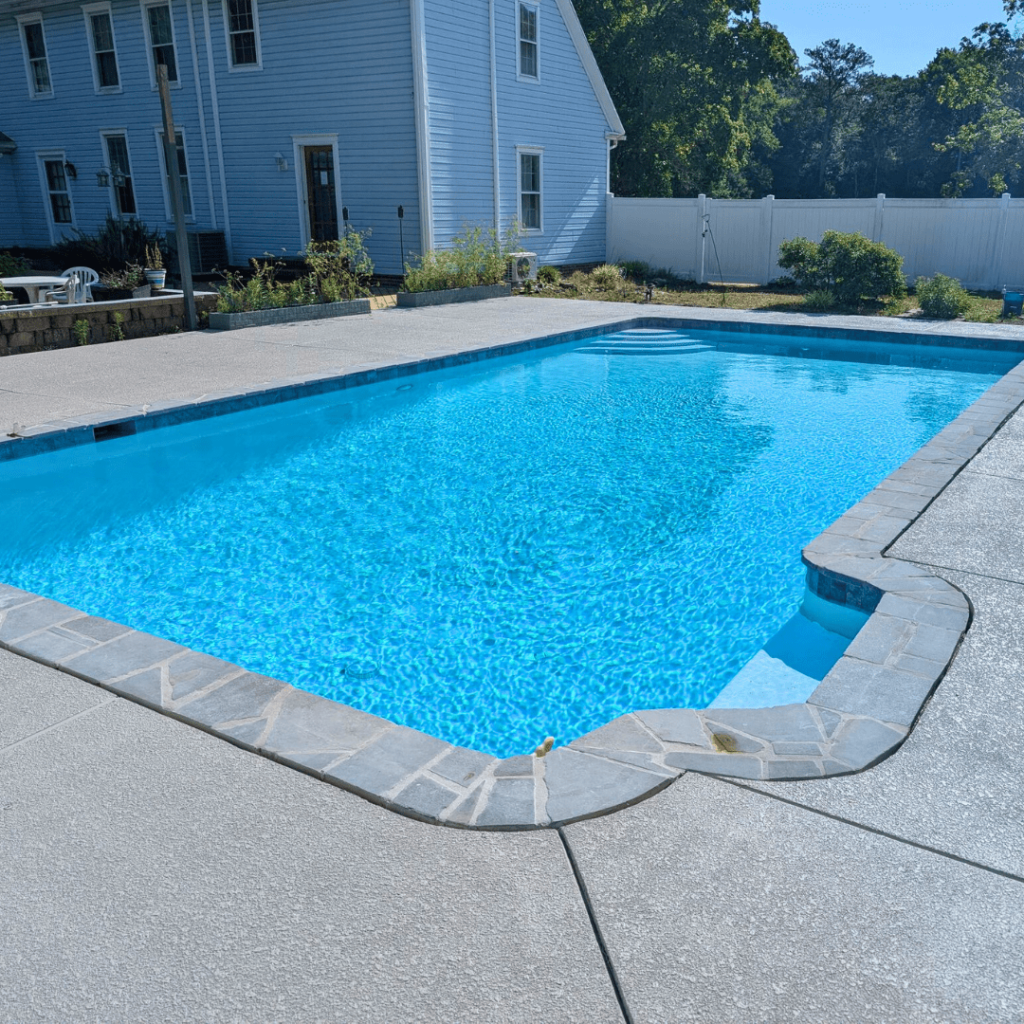
When it comes to keeping your pool water clean and safe, chlorine and bromine are two of the most common sanitizers people rely on. But what’s the difference between the two, and which one is better for your pool? Bromine vs. Chlorine At first glance, chlorine and bromine might seem similar—they’re both halogens, they both kill bacteria, and they’re both used to keep pool water clean. But they have some important differences in how they work and the benefits they offer. Chlorine is a powerful disinfectant that’s been the go-to choice for decades. It works quickly to kill bacteria and other harmful organisms in the water. Chlorine comes in various forms, like liquid, tablets, or granules, and it’s relatively easy to use and manage. Bromine, on the other hand, is often the choice for hot tubs and indoor pools because it holds up better in warm water. It’s also less harsh on the skin and eyes compared to chlorine, making it a popular option for people with sensitive skin. Difference Between Bromine and Chlorine The biggest difference between bromine and chlorine lies in their behavior in water. Chlorine is known for being fast-acting—it quickly kills off contaminants, but it also dissipates faster, especially under direct sunlight. That means you might need to add chlorine to your pool more frequently to maintain proper levels. Bromine, however, acts a bit slower. It takes longer to kill bacteria and other microorganisms, but once it’s in the water, it tends to stay active for longer periods. This makes bromine more stable and effective over time, especially in warmer environments where chlorine might evaporate too quickly. Another key difference is the byproducts they produce. Chlorine can leave behind chloramines, which are responsible for that strong “pool smell” and can cause irritation to your skin and eyes. Bromine produces bromamines, which are much less irritating and don’t have that strong odor. What Does Bromine Do in a Pool? Bromine works similarly to chlorine in that it sanitizes your pool by attacking and neutralizing bacteria, viruses, and other harmful organisms. It’s particularly effective in warmer water, which is why you’ll often see it used in hot tubs or heated indoor pools. One of the main benefits of bromine is that it continues to work even after it neutralizes contaminants. Instead of becoming useless like chlorine does, bromine can be “reactivated” with a shock treatment, meaning you’ll get more mileage out of it before needing to add more. However, bromine does have a few downsides. It’s generally more expensive than chlorine, and it can be a bit harder to find in stores. Also, while it’s more stable in sunlight compared to chlorine, it still breaks down faster when exposed to UV rays, so it’s not ideal for outdoor pools unless you’re willing to use stabilizers or cover your pool when it’s not in use. Is Bromine Better Than Chlorine? So, is bromine better than chlorine? The answer depends on your specific needs and pool conditions. If you have an outdoor pool that gets a lot of direct sunlight, chlorine might be the better choice because it’s more cost-effective and easier to manage in these conditions. Plus, with proper stabilizers, you can reduce how quickly it breaks down in the sun. On the other hand, if you have a hot tub, heated indoor pool, or you’re sensitive to chlorine’s effects, bromine could be the better option. It’s gentler on your skin and eyes, lasts longer in warm water, and doesn’t produce that strong chlorine smell. In the end, both chlorine and bromine have their pros and cons. The best choice for you depends on factors like the type of pool or spa you have, your budget, and your personal preferences. Call Coastal Pools If you need help deciding what chemicals and treatments to use in your pool and spa, contact the professionals at Coastal Pools. Whether your pool needs seasonal opening or closing, cleaning, or ongoing maintenance, we are standing by to provide what it takes to make your pool shine for years to come. With years of experience servicing the greater Maryland and Delaware area, we are a partner you can trust. Contact us today!
How to Find and Fix a Pool Leak
Owning a pool is a dream come true – until you notice the water level dropping faster than it should. While some water loss is normal due to evaporation, a significant decrease might signal a pool leak. Here’s how you can find and repair that pesky leak, so you can get back to enjoying your pool. How to Tell if Your Pool is Leaking Before jumping into pool leak detection and repair, confirm that your pool is leaking. Here are a few signs to look out for: How to Find a Pool Leak Once you’ve determined your pool is leaking, it’s time to find out where. Here’s a simple step-by-step process to find the source of the leak: How to Fix a Pool Leak Here’s how to fix a pool leak, depending on where it’s located: Call Coastal Pools While some pool leak repairs are DIY-friendly, others might require professional help. If you can’t locate the leak, if it’s in the underground plumbing, or if the damage is extensive, call in a pool repair expert. Coastal Pools has the equipment and expertise to get your pool back in shape.
How Long Do Pool Filters Last?: Types of Pool Filters
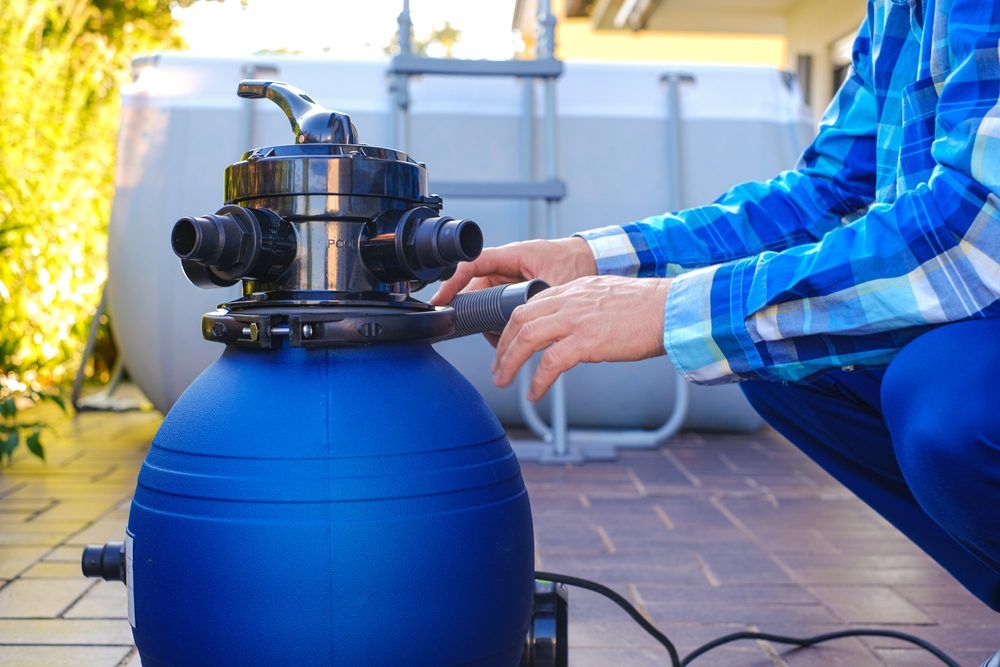
Keep your pool running smoothly with expert filter inspections, maintenance, and replacements from Coastal Pools. Our team provides full-lifecycle pool care across Maryland and Delaware—so your equipment works as beautifully as your pool looks. For pool owners, maintaining clean and clear water starts with one essential piece of equipment—the pool filter. This hardworking system removes dirt, oils, and debris from the water. This keeps your pool safe, balanced, and sparkling. But how long do pool filters last, and what type should you use? Understanding the three types of pool filters and how to care for each can help you extend their lifespan and keep your swimming pool in top condition. How Long Do Pool Filters Last? The lifespan of a pool filter depends on the type of filter, how often the pool is used, and how well it is maintained. On average, pool filters last between 3 and 7 years, but some can last up to 20 years with proper care. However, while the filter housing can last a decade or more, the filter media (sand, cartridge, or DE powder) needs to be replaced more frequently. The 3 Types of Pool Filters There are three main types of pool filters: sand filters, cartridge filters, and diatomaceous earth (DE) filters. Each type requires different maintenance routines, which can affect their overall lifespan. Sand Filters Best for: Low maintenance, budget-friendly pool care Lifespan: 7–20 years Sand filters have become popular for their simplicity and effectiveness. They filter out debris and impurities by allowing pool water to pass through a bed of sand. Over time, the sand grains wear down and become smooth, reducing their ability to capture particles. Maintenance Tips: Cartridge Filters Best for: Energy efficiency and fine filtration Lifespan: 15–20 years Cartridge filters use pleated fabric-like material to trap debris without the need for backwashing. They capture smaller particles than sand filters and are easy to clean. Maintenance Tips: Diatomaceous Earth (DE) Filters Best for: Crystal-clear water and superior filtration Lifespan: 10–15 years DE filters use a natural powder called diatomaceous earth to trap microscopic particles. They require more attention but deliver the cleanest water. Maintenance Tips: Signs You Need to Replace Your Pool Filter Even with diligent cleaning and maintenance, eventually, the physical parts of the filter will degrade and require replacement. Watch for these signs that it’s time to replace your pool filter or its components: Not sure whether your filter needs cleaning, repair, or replacement? A professional inspection can save you time, chemicals, and unnecessary upgrades. Extend the Life of Your Pool Filter Routine maintenance is the key to making your pool filter last as long as possible and keeping your pool a clean, enjoyable space. Follow these expert tips to keep your system in top condition: Service Your Pool with Coastal Pools Keep your pool running smoothly with expert filter inspections, maintenance, and replacements from Coastal Pools. Our team provides full-lifecycle pool care across Maryland and Delaware—so your equipment works as beautifully as your pool looks. Contact us today online or at 410-827-0888, and let’s maintain your dream oasis together.