

How Long Does It Take to Build an Inground Pool?
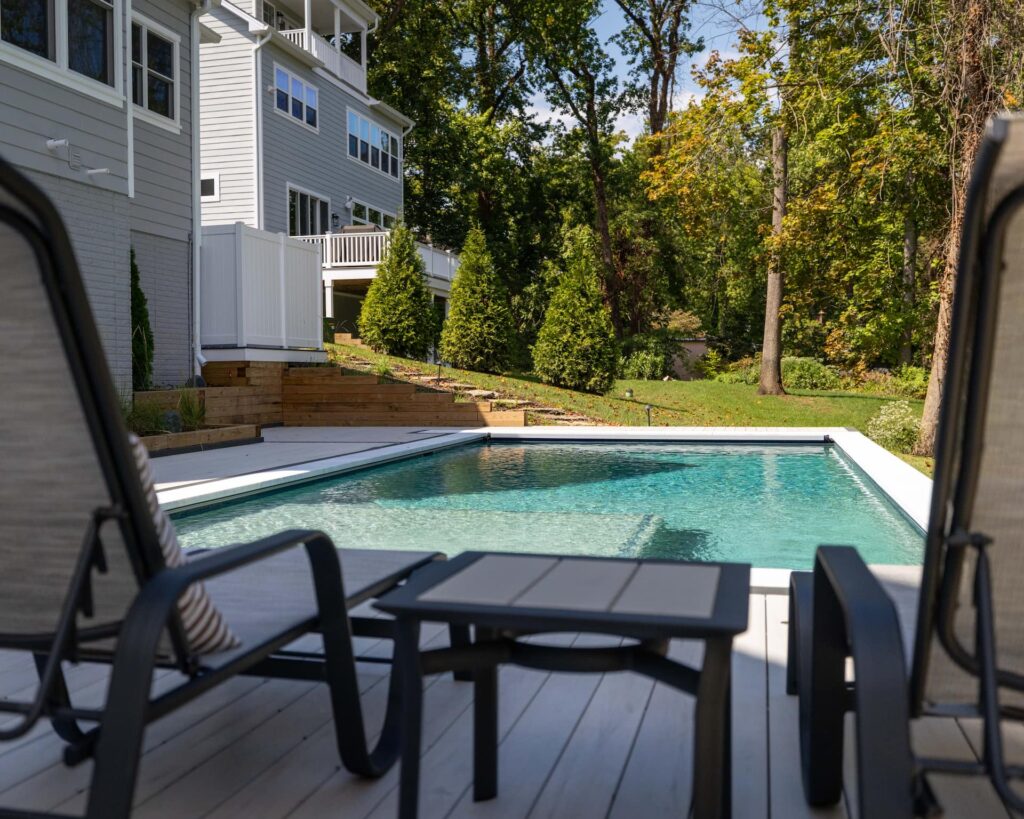
An Estimated Timeline from Design to First Swim Building a custom pool is where backyard dreams start becoming real. It’s the moment your backyard begins evolving into the place where summer memories happen. But before the first cannonball, many homeowners ask the same question: How long does it take to build an inground pool? In most cases, pool construction takes at least 8–12 weeks once digging begins. The full process from design to completion can take 3–6 months or more. The pool construction timeline includes design planning, permits, construction, inspections, and finishing touches that ensure your pool is built beautifully and built to last. Let’s walk through what happens from the moment you sign your contract with your pool builder to your very first swim. Coastal Pools construction timeline: Phase 1 Design, planning and permits 3 to 8 weeks; Phase 2 Construction 6 to 10 weeks; Phase 3 Interior finish and pool startup 1 to 2 weeks. Total 10 to 20 weeks. Pool construction timeline From contract to first swim Estimated total: 10–20 weeks · 3–6 months The average is 12 weeks, but is heavily influenced by individual county permitting approval processes and weather conditions. Phase 1 3–8 weeks Phase 2 6–10 weeks Phase 3 1–2 weeks Phase 1 Design, planning & permits 3–8 weeks Initial consultation Site evaluation Pool design & 3D rendering Engineering plans HOA approval (if needed) Permit approval Note: Phase 1 is heavily influenced by the county’s speed on the permitting process. Phase 2 Construction 6–10 weeks Excavation (1–2 days) Steel reinforcement & plumbing Shotcrete / gunite shell Shell curing (7–28 days) Tile & coping Deck construction Equipment & electrical Building inspections Phase 3 Interior finish & pool startup 1–2 weeks Interior plaster / pebble finish Pool fill (1–2 days) Water chemistry balancing Equipment testing Owner orientation First swim Phase 1: Design, Planning, and Permits Estimated Timeline: 3–8 Weeks Before pool construction begins, your ideas need to be transformed into a detailed plan. This stage focuses on designing a pool that fits your home, your landscape, and how you want to use the space. The pool design process usually starts with an initial consultation, where you discuss your budget and overall vision for your backyard retreat. Next comes a site evaluation, where professionals assess factors such as: The Pool Design With these details in hand, the design team begins shaping the pool itself. The pool design process includes decisions about: Many builders provide 3D design renderings so you can see what the finished pool will look like in your yard. You’ll have the chance to review the design and request revisions until everything feels right. Once approved, engineers create the technical pool construction plans. These include structural calculations, plumbing layouts, electrical plans, and safety specifications. What Can Slow This Phase Down During the design and permitting process, the pool construction timeline can be extended by these factors: Although it takes time, careful planning ensures the pool is safe, properly engineered, and tailored to your property. Throughout this phase, you’ll work closely with a dedicated Coastal Pools Design Consultant who will guide you through each step, answer questions, and help you make informed decisions with confidence. Phase 2: Construction (Breaking Ground to Building Your Deck) Estimated Timeline: 6–10 Weeks Once permits are approved, construction begins and your backyard pool starts to take shape. This phase includes the major structural work required to build the pool itself. Excavation The first visible step is excavation, when equipment digs the pool’s shape into the yard. Depending on soil conditions and access to the property, excavation usually takes 1 to 2 days. Steel Reinforcement and Plumbing Next, crews install a framework of steel rebar throughout the pool structure. This reinforcement provides strength and durability for the concrete shell. At the same time, plumbers install underground piping for: Concrete Shell Installation With the steel framework complete, the pool shell is created using shotcrete or gunite. This step forms the permanent structure of the pool. After installation, the shell must cure for strength, a process that typically takes 7–28 days. Proper curing helps ensure the pool structure remains durable for decades. Tile and Coping Next comes the installation of waterline tile and coping, the finished edge that caps the pool perimeter. These elements add durability while also defining the pool’s style. Coastal Pools lets you explore a variety of options for these pool finishes. Deck Installation Once the pool structure is complete, crews install the surrounding deck. Depending on the design, this may include: The deck creates space for lounging, entertaining, and soaking up long summer days by the pool. Equipment and Electrical Installation During construction, technicians also install the equipment that powers the pool system, including: Many homeowners choose to enhance their design with additional pool features such as waterfalls, tanning ledges, or integrated lighting. Inspections Throughout Construction Local building inspectors typically review the project at several stages to ensure everything meets all required building codes. What Can Slow Construction Down Even with careful planning, several factors can influence the inground concrete pool construction timeline, including: An experienced builder manages these challenges while keeping the project moving forward efficiently. If you’d like to see the full step-by-step process, read Coastal Pools’ article on what to expect during pool construction. Throughout construction, you’ll work with a dedicated Coastal Pools Project Manager who serves as your primary point of contact. They’ll keep you informed on project progress, coordinate each phase of construction, answer questions, and proactively communicate upcoming milestones so you always know what to expect. Phase 3: Interior Finish and Pool Startup Estimated Timeline: 1–2 Weeks The final stage of the pool construction timeline is where everything comes together. Interior Finish Application The interior surface—often plaster or pebble—is applied to the pool shell. This finish creates the smooth, waterproof surface that gives the pool its color and texture. Filling the Pool Once the finish is installed, it’s time to begin filling the pool with water. Depending on pool size and water pressure, this typically takes 1 to 2
Do Pools Increase Property Value?
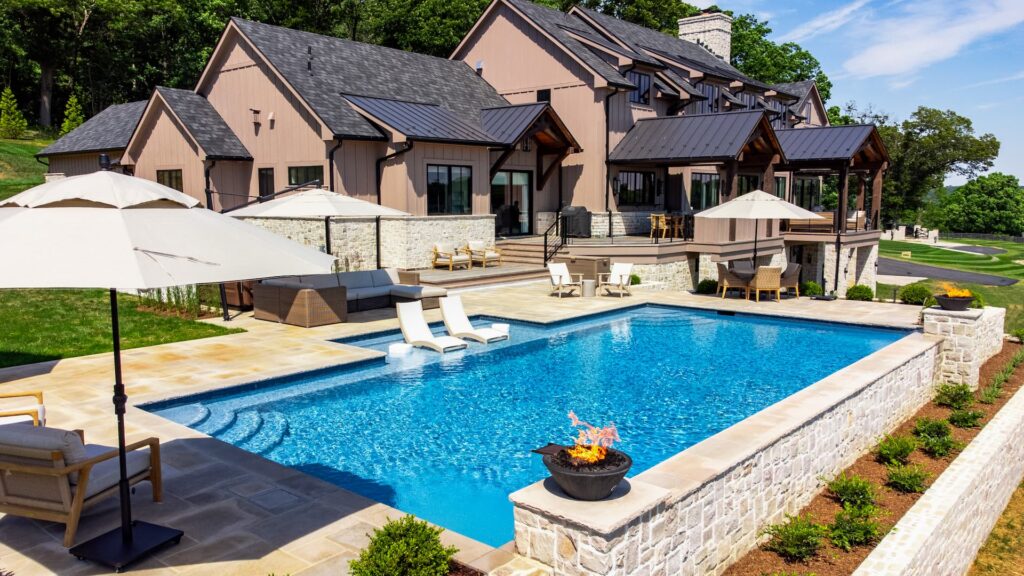
When considering a major home upgrade, many homeowners wonder if adding a pool is worth it. They are beautiful, fun, and can completely transform a backyard, but do pools increase property value? Yes. A well-designed pool can make your home more appealing to the right buyers, enhance your home’s lifestyle appeal, and even help your home sell faster. Throughout Maryland and Delaware, Coastal Pools has seen firsthand how thoughtfully designed outdoor living spaces can influence buyer perception. While every property is different, homes with professionally designed pools, patios, and outdoor entertaining areas often stand out more than comparable homes without those amenities. While the exact value a pool adds depends on location, design, and buyer expectations, this guide explores what really drives a pool’s impact on property value. Adding Value vs. Helping Your Home Sell Faster There is a difference between a pool adding value to your home and a pool helping your home sell faster. A pool will often add value, but that doesn’t necessarily guarantee universal appeal. Some buyers may hesitate to buy a house with a pool because they: For the right buyer, however, a pool might be the lifestyle upgrade they’ve been looking for. That can mean: In other words, a pool can boost perceived value and market desirability. 4 Ways Swimming Pools Affect Home Value 1. Buyer Psychology and Lifestyle Appeal When potential buyers step into your backyard, they aren’t calculating exact resale numbers. They are imagining their life with a backyard oasis. A pool evokes thoughts of: Your goal isn’t for buyers to think, “This pool is worth $75,000.” It’s for them to imagine a life they love in that space. That emotional connection drives value more than price per square foot. 2. Pools as a Luxury Feature Pools are widely seen as premium amenities. Especially in higher-end homes, they can: 3. Neighborhood Expectations One of the most important factors in how much value a pool adds to your home is what buyers expect in your area. In some neighborhoods, pools are a bonus; in higher-end areas or communities where outdoor living is expected, a pool can be a must-have feature. On average, an inground pool can increase home value by 5–7%, and in the right setting, potentially up to 10% for a luxury pool. The key is making sure your pool aligns with what buyers in your area want to maximize appeal and resale value. 4. Competition with Comparable Homes A pool can make your home stand out when compared to nearby properties. It can attract more showings, generate competitive offers, and help your home sell faster, especially when buyers are comparing multiple listings. Does an Inground Pool Increase Property Value in Maryland and Delaware? Buyers in cities like Annapolis, Easton, Kent Island, Rehoboth Beach, and Lewes may consider an outdoor living space a must-have before they’ll make an offer on a home. And of course they do! Summers in Maryland and Delaware are long enough to make pools a worthwhile lifestyle addition. If you’re thinking about a pool not only for you but for your home’s possible future owners, keep these considerations in mind: How Design and Features Impact Value Not all pools add value in the same way. When buyers evaluate a home, they’re not just looking at whether a pool exists. They’re also looking at how well it’s designed, how it fits the space, how well it has been maintained, and how it enhances the overall backyard experience. Inground vs. Above-Ground The type of pool you choose plays a major role in how much value it adds. It’s About the Entire Backyard Experience How does a pool add value to a house? A pool by itself isn’t what drives the most value. It’s how the entire space comes together. Buyers are looking for a backyard that feels: Think of it less as installing a pool and more as creating an outdoor living room. The most desirable homes offer a seamless indoor-outdoor experience where the pool becomes the centerpiece of a fully realized space. Coastal Pools’ modern luxury pool designs show how thoughtful planning can transform a backyard into something truly special. Features That Maximize Value While the overall design matters most, certain features consistently enhance both usability and perceived value: When these elements are designed together, they create a space that feels complete—something buyers immediately recognize and value. Even small upgrades can have a meaningful impact when they contribute to a cohesive, well-designed backyard. Beyond Resale: The Personal Value of a Pool A pool doesn’t just increase value. It adds to quality of life. Benefits include: Even if resale value isn’t your primary concern, these benefits often justify the investment. For a detailed breakdown of costs, see our guide on The True Cost of an Inground Pool. Let Coastal Pools Increase Your Property Value Pools can increase your property value when they are designed thoughtfully and tailored to your neighborhood and lifestyle. The key is to focus on creating a backyard that is a complete outdoor living experience. Ready to add a pool that truly enhances your home’s value and lifestyle? Work with Coastal Pools to design a custom pool that transforms your backyard into a space you’ll never want to leave. Book a consultation today.
Designing a Backyard Pool with a Swim-Up Bar
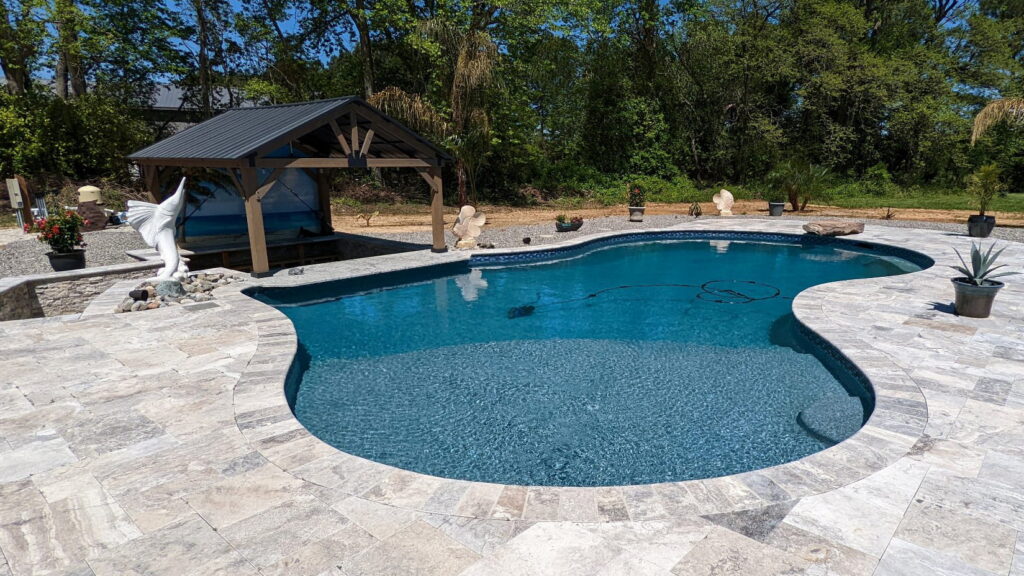
What Is a Swim-Up Pool Bar? A swim-up bar is a built-in pool feature that allows swimmers to sit partially submerged at bar height seating while enjoying drinks from a countertop that connects to a dry-side bar area. Most designs include in-pool stools, a raised counter at water level, and a land-side serving or prep space. In more elaborate layouts, the dry side may connect directly to an outdoor kitchen or lounge zone. A backyard pool with a swim-up bar instantly changes how your outdoor space feels and functions. It turns a simple pool into a destination, one where friends gather, conversations linger, and everyday afternoons feel like vacation. Swim-up bars have become one of the most requested features in luxury pool design, especially for homeowners who love entertaining. They combine relaxation, social connection, and thoughtful design in one seamless feature that feels indulgent and practical. What makes a backyard pool with a swim-up bar special is how naturally it brings people together. Guests in the pool and guests on deck can interact without anyone leaving the fun. The bar is a social hub that anchors the entire backyard. In this guide, we will walk you through planning the ultimate swim-up pool bar, from choosing the best location and layout to selecting seating, countertops, storage, and finishing touches that elevate the entire backyard experience. Choosing the Right Location and Layout Placement is one of the most important decisions when designing a swim-up bar. Ideally, the bar sits near a shallow area of the pool where seating feels comfortable and safe. Many homeowners choose a location close to the outdoor kitchen or main patio so food, drinks, and conversation flow easily between wet and dry spaces. Sun exposure matters more than most people expect. A bar positioned in full sun all day can become uncomfortable during peak summer hours. Incorporating nearby umbrellas, pergolas, or shade structures improves usability and encourages guests to linger longer. Popular swim-up pool bar layouts include: Good traffic flow is essential. Swimmers should be able to approach and exit the bar without crossing paths awkwardly, and dry-side guests should have clear space to stand, serve, and socialize. Designing Comfortable and Durable In-Pool Seating In-pool seating determines how comfortable your swim-up bar feels over time. Built-in stools are the most common option and are typically constructed from concrete and finished with tile, stone, or plaster to match the pool interior. Acrylic stools and stone-topped pedestals can add a custom, high-end touch. Height matters. Most swim-up stools are positioned so water hits around mid-chest when seated, with enough knee clearance under the counter to sit comfortably for extended periods. Stools are also an opportunity to visually reinforce your design style. Matching materials to your pool finish or countertop creates a cohesive look, while contrasting finishes can make the bar stand out as a feature. Selecting the Perfect Countertop Materials The countertop is the focal point of any swim-up pool bar, and it needs to perform as well as it looks. Outdoor countertops should resist heat, moisture, UV exposure, and frequent use. They also need to be easy to clean and sealed properly to handle splashes and spills. Popular material choices include: When choosing colors and finishes, consider how the countertop will look both wet and dry. Lighter tones stay cooler in the sun, while textured finishes help hide water spots and fingerprints. It’s also a good idea to look at how it coordinates with the other materials in your luxury swimming pool design. Adding Built-In Storage and Beverage Features A great swim-up pool bar is as functional as it is beautiful. Built-in beverage features keep entertaining effortless and reduce trips back into the house. Popular upgrades include mini-fridges, ice bins, hidden coolers, shelving, and dedicated prep zones. Some homeowners opt for a full wet bar with plumbing and sinks, while others prefer a dry bar setup that focuses on storage and serving space. The right choice depends on how often you entertain and how complex you want the system to be. Planning ahead is essential. Plumbing, drainage, and electrical connections should be integrated during pool construction to avoid costly retrofits later. Make sure to work with a professional pool construction company that will take care of these details from the start. Enhancing the Ambiance with Lighting and Accessories Lighting and accessories play a major role in how your swim-up pool bar feels, especially after the sun goes down. Thoughtful details help the space transition from daytime relaxation to evening entertaining with ease. Popular lighting elements include: Popular swim-up pool bar accessories include: When layered correctly, lighting and accessories create a refined nighttime atmosphere that feels polished, inviting, and unmistakably resort-inspired. Discover other must-have pool accessories to elevate the atmosphere of your oasis. Material Pairings and Design Style Inspiration Material pairings define the personality of a swim-up bar and help it blend into the surrounding landscape and architecture. Choosing complementary finishes will make your bar feel intentional rather than added on. Timeless design styles and material combinations include: Balancing textures is key. Smooth countertops pair well with organic stone, while warmer finishes soften contemporary designs. Coordinating materials with nearby features like fire elements or outdoor kitchens creates a cohesive, high-end backyard environment. Safety and Maintenance Considerations Luxury design should never compromise safety—even with swim-up bars. Slip-resistant surfaces, rounded edges, and proper depth transitions near bars help protect swimmers of all ages. If your household includes children or pets, thoughtful design choices matter even more. Coastal Pools offers guidance on creating childproof and pet-friendly pools that integrate safety without sacrificing style. Maintenance is also important. Sealed countertops, balanced water chemistry, and routine cleaning prevent buildup around stools and bar fronts. Consistent care protects the materials from wear, extends the life of the bar, and preserves the overall investment in the pool design. Is a Swim-Up Bar Right for Your Backyard? Swim-up bars are ideal for homeowners who love entertaining, want to maximize social interaction in the pool, and view their backyard as a destination rather than just a place to swim.
Is a Pool Heater Worth It? Pool Heater Costs and Benefits

Why limit your backyard retreat to summer? A pool heater transforms your investment into a four-season retreat, extending the pleasure of warm, inviting water well beyond summer. From early spring mornings to crisp fall evenings, a heated pool keeps water at the perfect temperature for swimming, entertaining, and relaxation. Investing in a pool heater is worth the cost—it not only enhances comfort but also extends usability while maximizing enjoyment of your backyard and adding long-term value to your home. Why A Pool Heater Matters Imagine stepping into your backyard on a chilly day and into a warm, inviting pool. A pool heater makes that possible. Why should the enjoyment of your gorgeous investment depend on the calendar? A pool heater makes it possible for: For high-end pools with aesthetic features such as waterfalls, fire elements, or integrated spas, a heater ensures the investment is fully enjoyed, rather than sitting idle for months. Explore more ways to enhance your backyard with stylish pool equipment solutions. Types of Pool Heaters: Which One Is Right for You? Gas Heaters Gas heaters are the go-to option for on-demand heating. They warm pools quickly, making them ideal for cooler climates or for homeowners who don’t swim daily. While operating costs tend to be higher than other types, their speed and reliability make them ideal for impromptu swims or last-minute gatherings. Electric Heat Pumps Electric heat pumps are highly energy-efficient and maintain steady water temperatures over time. Best suited for moderate to warm climates, they offer a balance of performance and cost-effectiveness. Though slower to heat initially, their efficiency pays off in reduced long-term operating expenses. Solar Heaters Solar pool heaters are environmentally conscious with low operating costs. They harness energy from the sun, making them ideal for sunny regions, though heating is slower and dependent on consistent sunlight. Pairing a solar system with a pool cover can maximize efficiency. Each type has its benefits depending on your climate, usage patterns, and budget. When considering pool heater cost, it’s important to weigh upfront expenses against long-term savings and lifestyle benefits. Check out Coastal Pools’ gallery for inspiration on luxurious pool designs that pair beautifully with heaters. Understanding Pool Heater Costs When planning for a pool heater, it’s helpful to see more than just a sticker price. Think about installation, ongoing energy use, and how long different systems last. Upfront Costs Pool heaters can range from $1,200–$6,500+, depending on the type of heater you choose, your pool size, and whether new plumbing or wiring is required. Gas heaters often cost less to install. Heat pumps and solar systems have higher upfront costs but can be more energy efficient. Electric heaters have lower upfront costs but can be more expensive to operate. Operating Costs How much you pay each month depends on the heater type and your local utility prices, but average prices to run a pool heater are about $100–$500 per month. Gas can be pricier with frequent use; heat pumps offer predictable or minimal energy costs. Solar is the most cost-effective to operate, costing as low as $10–$25 per month. Other Cost Considerations Keep in mind that efficiency, reliability, and quality can be more important than the lowest initial cost. Learn more about pool equipment maintenance to protect your investment. Is a Heater Worth It in Your Custom Pool? A pool heater is often worth the investment if you want to swim beyond summer, host comfortably in spring and fall, or use your pool regularly for fitness or relaxation. Homeowners who swim occasionally in peak summer months may prioritize other features, while those who view their pool as a lifestyle investment often find heating indispensable. Energy Efficiency and Smart Heating Tips Once you’ve decided on a pool heater, how you use it matters just as much as which one you choose. Smart heating habits can significantly reduce operating costs while keeping your pool comfortable. For homeowners planning a new pool, designing with efficiency in mind ensures long-term savings and a smoother owner experience. Maintenance and Longevity A pool heater is a long-term investment, and proper care plays a major role in how well it performs over time. Routine maintenance keeps your heater running efficiently and helps prevent costly repairs. With consistent care, most pool heaters generally last 10–12 years or longer. Consistently maintained equipment protects your investment and ensures reliable comfort season after season. Let Coastal Pools Build Your Heated Pool A pool heater performs best when integrated thoughtfully into the pool’s overall design. At Coastal Pools, we help homeowners choose the right heating solution based on pool size, usage goals, and lifestyle needs. From selecting energy-efficient equipment to integrating automation, spas, and premium features, our team designs pools that are built for comfort and enjoyment beyond summer. Whether you’re dreaming of a resort-style retreat or a family-friendly backyard escape, a heated pool ensures your investment delivers value all year long. Contact Coastal Pools today to extend your swim season.
What Size of Swimming Pool Will Fit My Yard?
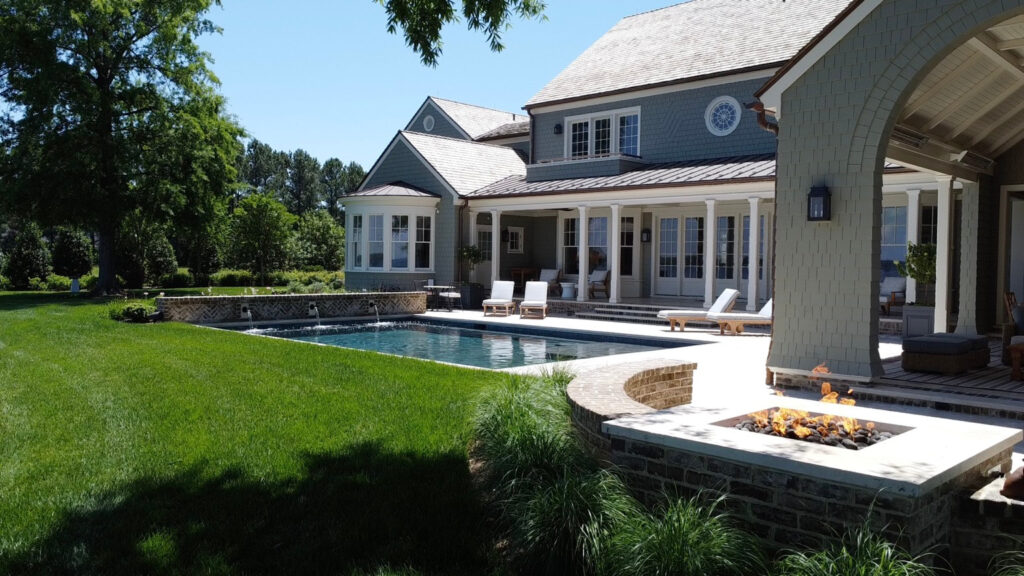
Transforming a backyard into a private resort is a dream come true for many homeowners. Whether you’re planning for family fun, entertaining friends, or simply a peaceful retreat to escape to after a long day, the right swimming pool can completely redefine your outdoor space. When you start planning, the first question that often comes up is, “What size of swimming pool will fit my yard?” The answer isn’t just about square footage—it’s about creating a pool that complements your lifestyle and maximizes your yard’s potential. Let’s explore how to find the perfect pool size and layout for your space. Common Pool Sizes and What They’re Best For Pool size depends on your yard’s usable space, your family’s needs, and your desired backyard style. To help determine what size pool could fit your yard, here’s a general guide: Small Yards (Under ~1,500 sq ft of usable space) There isn’t one universal minimum yard size for a pool. For smaller yards, the focus is on creating a relaxing oasis without overwhelming the space. Features like built-in seating, shallow lounging areas, and small fountains can make your pool feel luxurious while keeping maintenance manageable. While pools are often rectangular in shape, they don’t have to be. The best size pool for a small yard depends on how you lay it out. If you’re curious about creative layouts and shapes for smaller properties, check out Coastal Pools’ shape and style options. Medium Yards (1,500–3,000 sq ft) Medium-sized yards can incorporate more functional zones around a pool, including dining areas, lounge chairs, and even a small outdoor kitchen or bar. These layouts are perfect for families who want a balance of swim space and entertaining space. Many homeowners are surprised to learn that the average backyard pool size is more flexible than they assumed. Even a small or medium-sized yard can support a thoughtfully designed custom pool. You can also add pool features, such as waterfalls or bubblers, to elevate your backyard experience. Large Yards (3,000+ sq ft) If your yard is expansive, you have the opportunity to create a true backyard destination. Large pools allow for lap lanes, play areas, spa integration, and multiple seating zones. The key here is proportion—your pool should enhance, not overwhelm, your outdoor living space. How Pool Shape Impacts What Will Fit The shape of the pool is just as important as its size. The right design can maximize usable water space while integrating seamlessly with your yard. If you’re looking for inspiration, check out our gallery of custom pools to find the shape you love. Features Beyond the Pool When planning your backyard pool, remember that the water is just the beginning. Consider how features like these affect the space: Integrating these elements early in your design ensures your pool complements your lifestyle, rather than limiting it. Check out our pool construction page to learn more about how Coastal Pools can create a custom pool design with features that align with your vision. Understanding Your Yard’s True Buildable Space A common misconception is that your lot size determines your pool size. In reality, your usable or buildable space—and how you want to use it—matters most. No two yards or lifestyles are the same. A consultation with an experienced builder can clarify your options and provide solutions you may not have considered. Book a Stress-Free Consultation with Coastal Pools If you’re still wondering what size of swimming pool will fit your yard, Coastal Pools can help you take the next step. We offer complimentary site evaluations and design consultations to help homeowners in Maryland and Delaware explore the potential of their backyards. You’ll get transparent guidance, expert craftsmanship, and personalized recommendations. No pressure, no surprises—just a clear understanding of what is possible. Your backyard retreat may be closer than you think. Contact us today for your free consultation.
Chlorine Pools vs Saltwater Pools: Which Is Right for You?
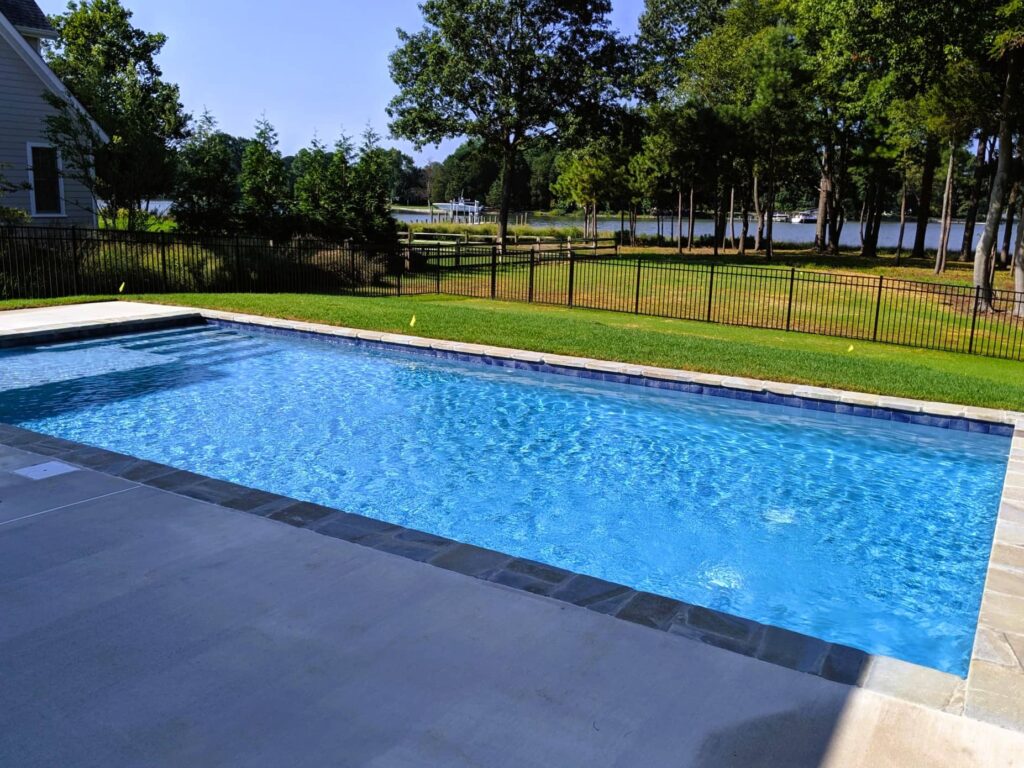
Which is better, a chlorine pool or a saltwater pool? There is no definitive answer to whether chlorine pools or saltwater pools are better. The best choice depends on how much hands-on control versus automation you prefer. Chlorine pools offer precise control, predictable costs, and broad service support. Saltwater pools provide a softer water feel and more automated sanitation but involve higher upfront costs and specialized equipment. A backyard pool is often the centerpiece of a backyard—equal parts escape, gathering place, and long-term investment. Yet before design details or finishes are decided, many homeowners face a surprisingly important choice: chlorine pool vs saltwater pool. While both systems are designed to keep pool water clean and safe, the experience of owning each can differ in important ways. Maintenance style, long-term costs, water consistency, and serviceability all play a role in the decision. Ultimately, it comes down to how much control, flexibility, and predictability you want in your pool ownership experience. How Do Chlorine Pools and Saltwater Pools Work? Chlorine pools use a time-tested sanitation method of adding chlorine in measured amounts to maintain clean, balanced water. One of the primary advantages of this approach is control. Chlorine levels can be adjusted quickly and precisely in response to weather, pool usage, or seasonal changes. Because chlorine systems are widely used and well understood, they integrate seamlessly with most pool designs and are supported by a broad network of service professionals and products. Chlorine systems also pair easily with modern pool automation, water features, and custom designs. Saltwater pools rely on a salt chlorine generator that converts dissolved salt into chlorine as water circulates through the system. This automation helps maintain steady sanitation levels and reduces the need for frequent manual chemical additions. It’s important to note that saltwater pools are not chlorine-free. They still depend on chlorine for sanitation, but require additional equipment to generate it. While this can result in gentler-feeling water and less hands-on chemical management, the system still needs to be monitored and maintained over time. Cost Comparison: Saltwater vs Chlorine Pools When comparing the cost of a saltwater pool vs a chlorine pool, it’s important to look beyond the initial build and consider how the costs behave over time. While upfront pricing matters, long-term ownership costs often play an even bigger role in overall value. Upfront Costs Chlorine pools typically involve a lower initial investment. They rely on straightforward, widely available components and do not require a salt chlorine generator, which helps keep installation costs more predictable. Saltwater pools generally come with a higher upfront price due to the addition of a salt chlorine generator and related control systems. For homeowners converting an existing chlorine pool, installation may also involve equipment upgrades or compatibility adjustments, which can further increase costs. Ongoing Costs Chlorine pools require routine chemical purchases, regular testing, and periodic adjustments to maintain proper water balance. While individual costs are often modest, they are ongoing and scale consistently with pool usage. This makes long-term budgeting clear and manageable. Saltwater pools typically have lower recurring chemical costs, since salt is replenished infrequently. Salt cells have a lifespan of several years, so replacement should be factored into long-term planning. Maintenance costs for saltwater pools tend to shift from chemical expenses to equipment-related considerations. For a deeper breakdown of how pool expenses add up over time, Coastal Pools offers a helpful guide on the true cost of an inground pool. Maintenance Requirements Maintenance is one of the biggest stress points for home pool ownership and one of the most important factors in this decision. From a day-to-day perspective, many homeowners find saltwater systems more convenient, though both systems still follow the same fundamental cleaning principles. Water Quality, Skin, and Hair Impact Water comfort is where many homeowners notice a difference between systems, and where the benefits of a saltwater vs chlorine pool can be felt. Traditional chlorine pools can have a stronger chemical smell and may contribute to dry skin, irritated eyes, or faded swimsuits over time. That said, chlorine pools can be carefully balanced to minimize irritation and harsh smells. With proper water chemistry management, chlorine pools offer a clean, comfortable swimming experience that can be customized to household preferences. Pros and Cons of Chlorine Pools vs Saltwater Pools Pool Type Pros Cons Saltwater Pool Softer water feel Less chemical handling Lower long-term chemical costs Minimal chlorine odor Higher upfront cost Salt cell replacement over time More specialized repairs Chlorine Pool Lower initial investment Straightforward and proven Predictable long-term costs Adaptable to most custom designs Ongoing chemical costs Can be harsher on skin and hair Requires routine testing Who Should Choose Which Pool? For many homeowners building a custom pool, chlorine systems are the right fit. Their adaptability, predictable ownership costs, and broad service support make them a natural fit for those prioritizing long-term reliability and ease of care. Saltwater pools can be an attractive option for homeowners specifically drawn to a softer water feel and who are comfortable planning around specialized equipment and replacement cycles. Ultimately, the best choice depends on how you want to interact with your pool. Whether that means precise control and flexibility, or a more automated system with additional components to manage over time. A Personalized Decision, Guided by Expertise Choosing between a chlorine pool vs a saltwater pool isn’t about right or wrong. It’s about what aligns with your lifestyle, priorities, and long-term vision for your backyard oasis. Both systems can deliver years of enjoyment when thoughtfully and properly maintained. If you’re dreaming of a pool that feels less like work and more like a retreat, working with an experienced partner makes all the difference. Coastal Pools helps homeowners throughout Maryland and Delaware design and build pools that balance beauty, function, and ease. Contact our team today to start the design process for your dream pool.
Visiting the Bay Bridge Boat Show? Here’s Where to Find Coastal Pools — and What We’re Bringing With Us

The Bay Bridge Boat Show returns to Kent Narrows Harbor in Grasonville April 17–19, kicking off the boating season with an exciting weekend along the waterfront. With thousands expected to attend, it’s the perfect place to explore what’s new — not just on the water, but in how you enjoy life around it. This year, Coastal Pools is proud to be exhibiting for the first time. Where to Find Us You’ll find the Coastal Pools booth between Docks P & Q, across from Chesapeake Whalertowne. Why Stop By Coastal Pools If you’ve been thinking about upgrading your backyard, our booth is designed to give you ideas you can actually bring home. From designing custom inground pools to fully integrated outdoor living spaces, we’ll walk you through what’s possible and what it takes to get there. You’ll be able to: What We’re Bringing (and Giving Away) We’re making it worth your stop. Spin our prize wheel for a chance to win: Plus, we’ll have floating keychains on hand, a simple but essential upgrade for any day on the water. Planning Your Visit The show runs: You can purchase tickets and find full event details through the official show website. Not Attending? Let’s Still Talk If you can’t make it this weekend but are thinking about a pool or outdoor living project, you can schedule a consultation directly with our team anytime. We’ll See You There Whether you’re there for the boats, the atmosphere, or inspiration for what’s next — we’d love to meet you.
How to Clean a Pool Waterfall
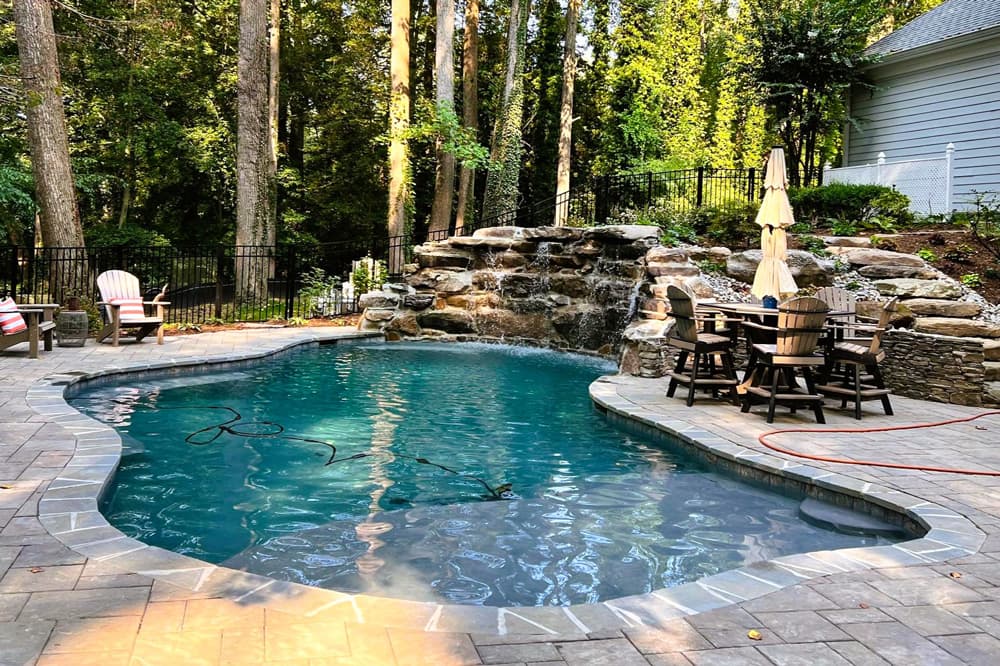
Plus, Popular Pool Waterfall Ideas How do you clean a pool waterfall? To clean a pool waterfall, turn off the water feature, brush all surfaces with a nylon brush, spot-treat for algae or scale with pool-safe cleaners, rinse thoroughly, and then rebalance the water chemistry. Regular brushing, proper filtration, and balanced pH help prevent buildup and keep your waterfall flowing beautifully. Few elements lend such effortless grandeur to a private pool as a cascading waterfall. Beyond their visual grandeur, waterfalls provide soothing sound, natural movement, and aeration that make your pool feel like a private resort. With all that beauty comes a bit of chemistry and upkeep. From subtle calcium veils to the quiet persistence of algae between stones, even the most enchanting waterfalls require attentive care. Whether you’re dreaming of adding one or caring for your existing one, here are the most popular pool waterfalls and how to clean them to maintain their natural beauty. Popular Pool Waterfall Ideas Every waterfall tells a story. Whether you prefer the elegance of a modern sheet of water or the charm of natural stone, your pool waterfall design sets the tone for your entire backyard retreat. Consider these peerless pool waterfall ideas to inspire your space. Sheer Descent or Sheetfall Modern and minimalist, sheer descents create a continuous “glass sheet” of water cascading from an elevated pool wall. The look is sleek and contemporary, perfect for clean-lined pools. Natural Rock or Grotto Hand-shaped stone and sculpted ledges create an organic retreat, echoing the serenity of a hidden spring. Add-ons like slides or built-in seating make these features interactive and luxurious. Rain Curtain A dramatic sheet of water flowing through a slot under a pergola or beam creates an elegant, rain-like effect. Its visual impact is high, and the sound can mask city noise beautifully. Scuppers and Bowls Bronze or copper scuppers lend a touch of old-world sophistication, each narrow fall catching the light like liquid metal. Spillover Spa Falls Perfect for a spa-to-pool drop, these falls can integrate colored lighting for evening ambiance while also efficiently circulating spa water. How Pool Waterfalls Affect Water Chemistry Waterfalls aren’t just decorative. Behind every beautiful cascade of water is a little bit of science. The constant motion that gives the pool its resort feel also impacts its chemistry. Each ripple and splash influences balance—oxygen lifts the pH, while gentle evaporation concentrates minerals over time. Understanding how these factors interact allows you to prevent common issues before they start. Here are the unique effects of waterfalls and how to balance them: Routine Pool Waterfall Care Checklist Weekly Monthly Seasonal Brush waterfall faces, ledges, and crevices. Inspect pumps and waterfall valves for proper operation. Reseal natural stone as needed. Empty skimmer and pump baskets. Clean filters based on PSI rise rules. Inspect grout, coping, and stone integrity. Verify flow and weirs are functioning correctly. Inspect lights, seals, and any visible hardware. Adjust automation run times for warmer months or algae-prone seasons. Spot-check for green algae or white mineral deposits. Check for leaks/moisture behind the feature. Deep-clean scuppers, spillways, and tiles. How to Clean Your Pool Waterfall: The Full Guide Even with consistent pool cleaning and pool waterfall maintenance, your waterfall may occasionally require more thorough attention. Algae, calcium deposits, and flow issues can creep in over time, especially around natural stone or sheer descents. The following steps and care guides will help you keep your waterfall clean, balanced, and performing beautifully. Removing Algae from a Pool Waterfall Removing White Calcium or Scale on Rock and Sheer Descents Pro safety tip: Wear PPE, make sure the area is properly ventilated, add acid to water (never reverse), and protect metals and plants nearby. Flow Problems and Pump/Plumbing Basics Stone Care and Sealing Seasonal/Winter Care Enjoy Your Waterfall with Confidence A waterfall is the soul of a luxury pool—its soundscape, its movement, its living artistry. With the right knowledge of water chemistry and a simple waterfall maintenance routine, you can enjoy your backyard oasis without the fear of algae, scale, or stubborn clogs. Entrust your waterfall’s care to the artisans at Coastal Pools—where design, maintenance, and mastery converge. Contact us today to schedule your pool waterfall maintenance and keep your pool looking its best all season long.
Natural Pool Landscaping Ideas for a Serene Retreat
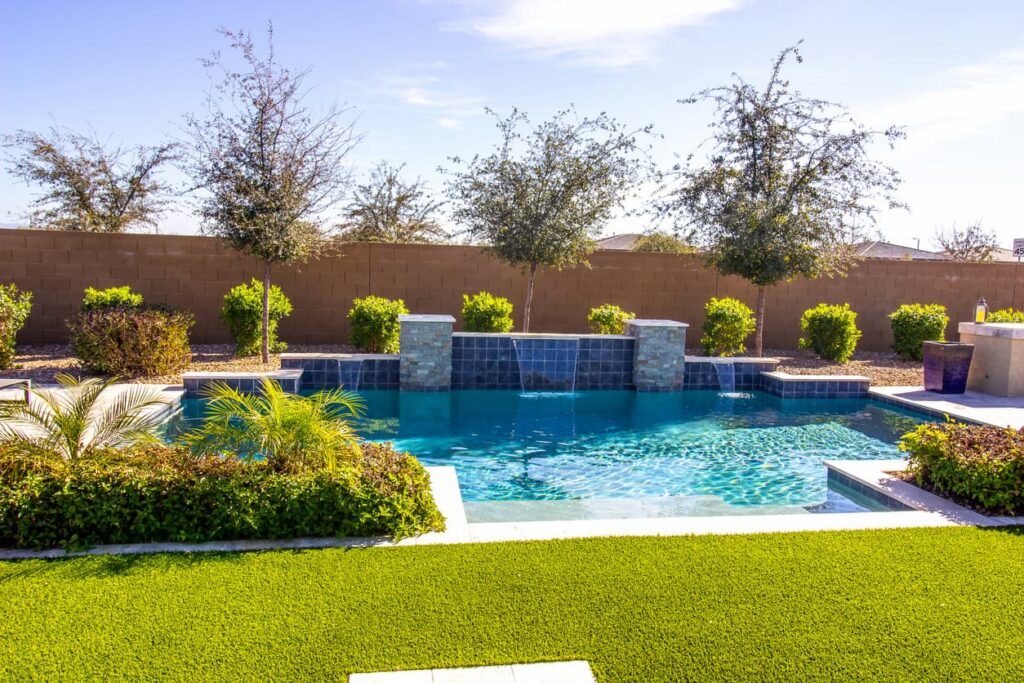
A beautifully designed pool is the heart of an outdoor space, but the landscaping around it is what brings the entire setting to life. When you incorporate natural elements, native plants, and organic textures, your pool transforms from a standard feature into a tranquil, resort-inspired sanctuary. The right natural pool landscaping ideas can soften hard edges and create a cohesive setting that feels like you’re on vacation every time you step into your backyard. Why Choose Natural Landscaping? Natural landscaping creates an unmatched sense of calm, blending your pool seamlessly into its environment. It also elevates the aesthetic and can integrate with modern, organic, or tropical-style pools. Beyond beauty, native and drought-tolerant plants reduce the workload of maintaining your space. Because they’re already adapted to your local climate, they require less watering, fewer treatments, and minimal upkeep. Even in the humid Mid-Atlantic where summer rain is common, droughts can occur, so it’s smart to choose hardy plants that can withstand varying conditions. Natural landscaping also softens the pool’s perimeter, reducing the need for larger hardscape installations. The result? A visually luxurious yet wonderfully low-maintenance outdoor environment. Explore even more design inspiration with our guide to popular swimming pool shapes. How to Landscape Around a Pool: 7 Ideas for a Resort-Style Backyard Landscaping around a pool requires a balance of beauty and practicality. For example, choosing trees and plants with smaller root systems, low debris, and resistance to chlorine helps protect your pool area and minimize upkeep. The tips below will help you combine smart plant choices, functional hardscaping, and layered lighting into a pool area that remains beautiful, practical, and inviting year-round. 1. Use Native and Drought-Tolerant Plants Native plants form the backbone of a natural pool landscape. They’re resilient and climate-adapted and require minimal care. Top native plant choices for areas like Maryland and Delaware include: Design tips: Mix varying heights and textures for layered visual interest, give each plant proper spacing to prevent overcrowding, and add mulch to retain moisture, regulate soil temperature, and reduce weeding. 2. Choose Natural Materials Natural materials add character and elegance while helping the landscape flow effortlessly around the pool. Stone pathways, river rock borders, and strategically placed boulders introduce texture and depth. Reclaimed wood elements, such as pergolas, benches, or accent panels, add warmth and rustic refinement. These materials can discreetly conceal pool equipment while providing long-lasting durability. Gravel beds or stone groupings also help manage drainage and prevent erosion, keeping the space both beautiful and functional. 3. Design with Organic Shapes and Soft Edges One of the hallmarks of natural design is the move away from rigid symmetry. Instead of straight lines or perfectly geometric hedges, natural pool landscaping ideas embrace curves. There is a quiet peace in meandering garden beds, softly rounded pathways, and plants that appear to follow the land’s natural rhythm. These organic shapes allow the pool to feel fully integrated into its surroundings. A curved border of native grasses or smooth stone can soften the transition from patio to garden. Gentle berms, varied elevation, or asymmetrical plant groupings bring depth and fluidity, creating an environment that feels serene and visually balanced. 4. Incorporate Tropical and Resort-Inspired Natural Landscaping For a lush, vacation-like atmosphere, tropical-inspired landscaping offers an immersive and luxurious aesthetic, even in the Mid-Atlantic region. Plants and elements that enhance this style: Tropical plants thrive when given proper spacing for airflow, consistent moisture, and protection during colder months. Hardy hibiscus, for example, can go dormant in colder months but return vigorously in spring. Thoughtful seasonal care and trimming help maintain a vibrant, resort-style poolside presence throughout the year. 5. Consider Desert-Inspired and Minimalist Natural Landscaping Desert-inspired and minimalist landscaping pairs beautifully with modern luxury pools, emphasizing clean lines, sculptural forms, and low-maintenance greenery. To grow desert-native plants in the Mid-Atlantic, you need to choose species that can withstand cold winters and ensure that their soil gets plenty of drainage. Ideal plant choices include: This style works beautifully because it relies on plants with extremely low water needs and minimal upkeep. The palette is calm and muted, creating a serene, understated backdrop that complements modern pool designs without overwhelming them. With little pruning required and excellent drought tolerance, desert-inspired landscaping delivers elegance with remarkable ease. 6. Include Natural Privacy Screens Natural privacy screening is an elegant alternative to traditional fencing, creating a soft backdrop that enhances the atmosphere around your pool. Tall grasses common in Maryland and Delaware such as switchgrass or purple love grass create movement and height. Layered shrubs like pittosporum or boxwood offer structured yet natural boundaries. Bamboo clusters provide height and luxurious density, while hedging plants can form rich green walls that grow quickly and require only occasional shaping. These natural screens frame the pool, provide shade, and foster a sense of seclusion without interrupting the landscape’s harmony. If you wish to incorporate bamboo into your yard, choose a slow-spreading, clumping bamboo like fountain bamboo. Several fast-spreading species of running bamboo are classified as invasive plants in Maryland, including golden bamboo and yellow groove bamboo. 7. Enhance the Landscaping with Water-Friendly Features Introducing water movement can enhance the pool area and tie the landscape together. A cascading stone waterfall, rock spillway, or small meandering stream adds relaxing ambiance and visual continuity. To maintain clarity and performance, water features should be cleaned regularly to prevent algae buildup and keep flow paths unobstructed. Steer Clear of Common Pool Landscaping Mistakes and Missteps While you do have plenty of options when it comes to landscaping around a pool, there are some “don’ts” you should be aware of, too. Check your pool landscaping plans against these guidelines before you finalize your design and proceed to installation. Working with an experienced pool landscaper can help you achieve a resort-level backyard while also avoiding design mistakes like these that are all-too-easy to make. Start Your Landscaping with the Perfect Pool A stunning pool begins with an exceptional design. Coastal Pools creates the perfect canvas for your backyard paradise, blending seamless pool
Best and Worst Trees to Plant Around Your Pool
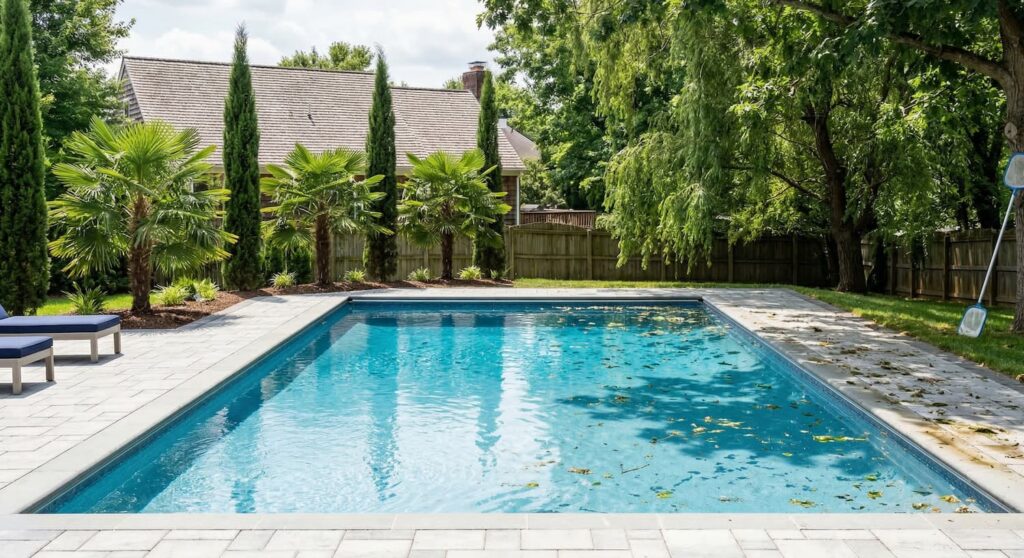
There’s nothing like lounging by your pool with the perfect mix of sunshine, shade, and greenery. Trees around your pool can provide privacy, cooling relief from the summer heat, and an elegant backdrop that makes your pool feel like a retreat. But not all trees are suited to the poolside. The wrong choice can mean constant leaf skimming, clogged filters, stained decking, or even cracked plumbing from invasive roots. With the right selections, you can enjoy the beauty of trees without the headaches. While some trees thrive best in warmer or drier climates, many of the options below are suitable for Maryland and Delaware when properly selected and placed. Always consult a local expert to confirm climate compatibility. In this guide, we’ll walk you through the best trees to plant around your pool that add beauty and function with minimal mess, as well as trees you want to avoid. Quick Answer: Editor’s Picks for Pool Trees If you’re looking for a shortcut, here’s the bottom line: Best Trees vs. Trees to Avoid Around Pools Best Near Pools Trees to Avoid Palm trees: Minimal litter, great tropical look Mulberry: Messy fruit + aggressive roots Ornamental olives: Evergreen, low mess Oak: Heavy leaf drop + pollen Italian cypress: Narrow privacy screen, non-invasive Eucalyptus: Brittle branches + sticky sap Crape myrtle: Colorful flowers, manageable litter Sweetgum: Spiky seed balls + invasive roots Checklist: How to Choose Pool-Friendly Trees Before you plant, use this decision framework to make sure your landscaping enhances your pool instead of complicating it. Best Trees Near Pools The best trees for poolside planting in Maryland and Delaware combine beauty with practicality for our region. Many of the options below are ideal here, as they offer shade, privacy, or visual appeal without overwhelming you with maintenance headaches. Below are a few carefully selected options, grouped by the benefits they bring to your backyard retreat. Privacy Screens If you’re looking to shield your pool from neighboring views, columnar evergreens and dense plantings provide elegance and seclusion without invasive root systems. Dappled Shade For those who want relief from the sun without turning the pool area into deep shade, these trees offer filtered light, striking foliage, and seasonal interest. Architectural Interest Some trees double as living sculptures, adding a sense of drama or resort-style sophistication to your poolscape. Their forms enhance design while keeping upkeep minimal. Trees to Avoid Near Pools Not all trees are pool-friendly. Some are notorious for aggressive roots that damage a pool, heavy leaf litter, or messy fruit that can quickly turn your pool into a maintenance nightmare. To save yourself time and hassle, here are the types of trees you’ll want to keep far away from your pool area. Placement, Spacing, and Root Management Even the most pool-friendly tree can become a problem if planted too close to your pool or decking. Proper placement, spacing, and root management ensure that your trees enhance your backyard without damaging your pool, plumbing, or hardscape. Follow these guidelines to protect both your investment and your peace of mind: Maintenance Plan (Low-Effort Poolside Landscaping) Pool-friendly trees make life easier, but a simple maintenance plan keeps your pool area looking its best all year long. Regular pruning, debris control, and mindful pest management help you enjoy your backyard oasis without constant upkeep: For more poolside inspiration, see our guide on clever ways to hide pool equipment. Pool Landscaping Ideas Beyond Trees Trees set the tone, but the right shrubs, grasses, and other low-maintenance pool landscaping plants complete your poolside oasis. Choosing hardy, low-litter species helps keep your pool clean and minimizes upkeep. Consider these plants for around pools: Layering these plants with your trees creates a cohesive, functional pool landscape landscape that enhances privacy, shade, and visual interest while protecting your pool and equipment. Design Tips to Elevate Your Poolscape Trees set the tone, but thoughtful design takes your poolside space from functional to spectacular. Consider layering plantings, balancing shade, and blending hardscaping for a cohesive look that’s as beautiful as it is practical. Here are a few key strategies to elevate your poolscape: Build Your Backyard Oasis with Confidence The trees you choose around your pool can either create a resort-like escape or add hours of unwanted maintenance. But you don’t have to plan it yourself. At Coastal Pools, we help Maryland and Delaware homeowners design, build, and maintain poolscapes that combine function and elegance. Whether you’re planting a brand new pool or upgrading your backyard landscaping, our team can guide you through smart tree and plant selections that protect your investment. Schedule a free design consultation today to create the backyard oasis you’ve been dreaming of.